SKU: 26955272263
scott e-bike fully carbon

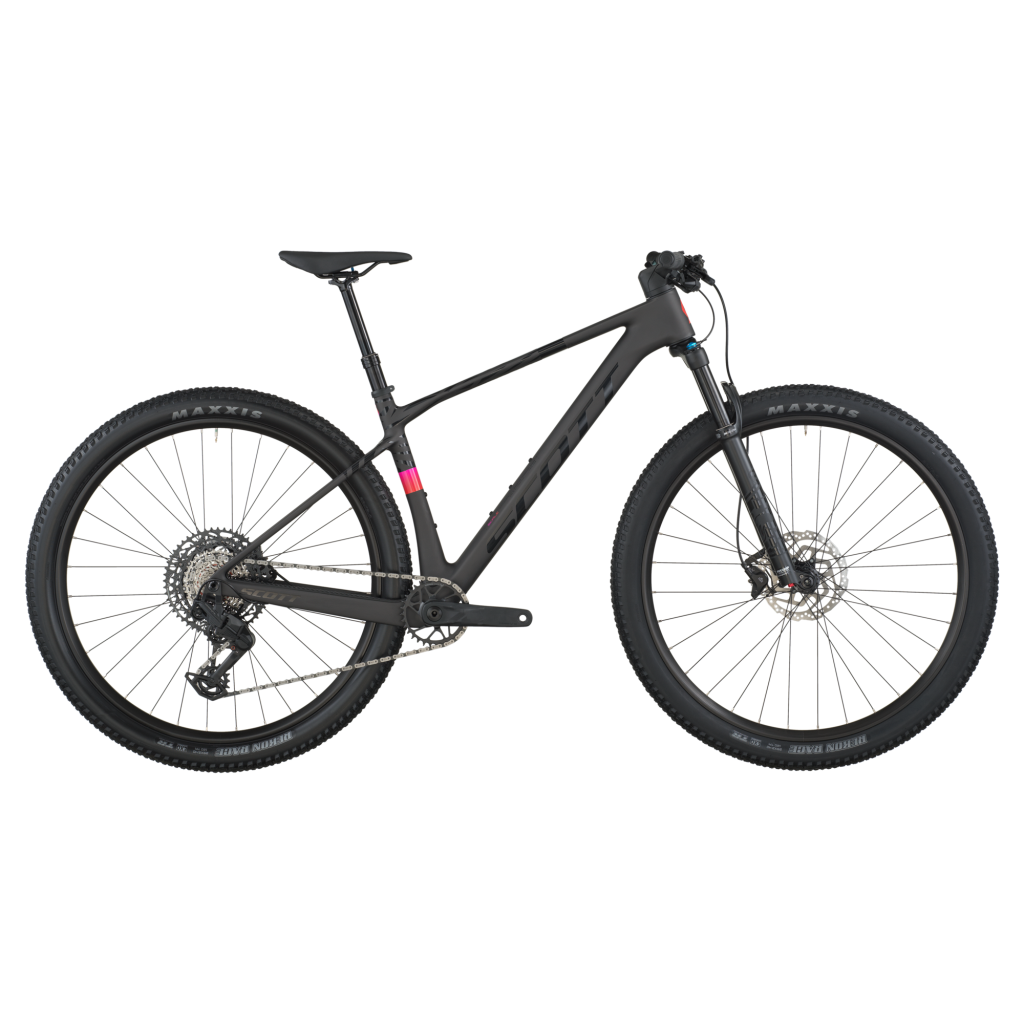
scott e-bike fully carbon Scott Scale 910 Carbon Mountain Bike 2026 Carbon Black – Uğur Bisiklet

Sale price$26.33 Regular price$29.26
Save 10%

Pay in installments of $7.32 with ShopPay, AfterPay and Klarna

Shipping Estimate
USA
  • USA
  • CAN

Ships within 48 hours · Estimated delivery Aug 22 - Aug 27

Promo Codes Available:

For Your Every Summer RSVP, with Code: SUMMER15

Description

scott e-bike fully carbon Scott Scale 910 Carbon Mountain Bike 2026 Carbon Black – Uğur BisikletSCOTT Scale 910 29 Rim Mountain Bike 2026 Model 425463 Color: Carbon Black Category: XC Marathon Hardtail In short SCOTT Scale 910 (2026) Carbon HMF frame, FOX 32 Float Rhythm 110mm fork, SRAM Eagle 70 Transmission 12v, Shimano MT401 hydraulic brakes, Syncros X 30SE TR wheels, 11. 9kg (tubeless). True racing DNA. Product Introduction Form follows function. The SCOTT Scale 910 is the pure form of the next generation Scale platform, which advances race

SCOTT Scale 910 29 Rim Mountain Bike 2026 Model 425463

Color: Carbon Black

Category: XC / Marathon Hardtail


🏁 In short

SCOTT Scale 910 (2026) – Carbon HMF frame, FOX 32 Float Rhythm 110mm fork, SRAM Eagle 70 Transmission 12v, Shimano MT401 hydraulic brakes, Syncros X-30SE TR wheels, 11.9kg (tubeless). True racing DNA.


🚵‍♂️ Product Introduction

Form follows function.
The SCOTT Scale 910 is the pure form of the next-generation Scale platform, which advances race-focused carbon frame technology. The HMF carbon frame is built in a single mold using monocoque production technology . This construction reduces joints, making the frame both lighter and more rigid .

The FOX 32 Float Rhythm GRIP fork, with its 110 mm travel and 3-mode RideLoc remote control , is perfectly suited for racetracks. You can instantly adjust fork settings from the handlebars during climbs, transitions, and descents.

The new SRAM Eagle 70 Transmission 12-speed groupset features a fully integrated gear architecture that ensures seamless shifts even under high torque. Shimano MT401 hydraulic disc brakes provide confident stopping power in all conditions.

The Syncros X-30SE wheelset, with its 30mm internal width and tubeless-ready construction, perfectly matches the Maxxis Rekon Race tires. The Syncros components (saddle, handlebar, seatpost, and stem) combine comfort, performance, and integration.

The new Scale 910 makes the difference between carbon and aluminum with its rigidity felt from the first pedal cycle — ready for races, marathons or high-speed workouts.


⚙️ Technical Specifications

  • Model: SCOTT Scale 910 (2026)

  • Model Code: 425463

  • Color: Carbon Black

  • Frame: SCOTT Scale HMF Carbon

    • Adjustable head angle (±0.6°)

    • Syncros Cable Integration System

    • Advanced Shock & Standing Damping System

    • BB92, UDH Interface, 12x148 mm Boost, 55 mm Chainline

  • Tongs: FOX 32 Float Rhythm GRIP

    • 3 Modes (Open / Medium / Lockout)

    • 15x110 mm QR axle, 44 mm offset, tapered steerer

    • Rebound and lockout adjustable, 110 mm travel

  • Remote Control: SCOTT RideLoc 3-Mode Remote (suspension & dropper control)

  • Rear Derailleur: SRAM Eagle 70 Transmission, 12 Speed

  • Gear Lever: SRAM Eagle 70 Trigger

  • Crank: SRAM Eagle 70 Transmission DUB, 55 mm CL, 34T

  • Chain: SRAM CN Eagle 70 Transmission

  • Cassette: SRAM Eagle XS 1270 V2 Transmission, 10–52T

  • Chain Guide: SCOTT Custom Chainguide

  • Bottom Bracket: SRAM DUB PF92 MTB Wide (41x92 mm)

  • Brakes: Shimano MT401 Hydraulic Disc

  • Rotors: Shimano SM-RT10 CL — 180 mm (front) / 160 mm (rear)

  • Handlebar: Syncros Alloy 6061 T-shape Flat, 9°, 740 mm

  • Handlebar Grips: Syncros Performance XC lock-on grips

  • Stem: Syncros DC 3.0, 6061 Alloy, 31.8 mm, 0° rise, Syncros Cable Integration

  • Seat Post: Syncros Duncan Dropper, 31.6 mm

    • S: 100 mm / M: 130 mm / L–XL: 150 mm drop

  • Saddle: Syncros Belcarra Regular 2.5

  • Headset: Syncros–Acros Angle Adjust & Cable Routing HS System

    • ±0.6° head angle adjustment

    • ZS56/28.6 – ZS56/40 MTB

  • Front Hub: Formula CL-811, 15x110 mm

  • Rear Hub: Formula CL-3248, 12x148 mm

  • Wires: Stainless Black 15G (1.8 mm)

  • Rim: Syncros X-30SE, 32H, 30 mm inner width, Tubeless Ready

  • Tires:

    • Front: Maxxis Rekon Race 29x2.4", EXO, 120 TPI, Foldable, Tubeless Ready

    • Rear: Maxxis Rekon Race 29x2.4", EXO, 120 TPI, Foldable, Tubeless Ready

  • Approx. Weight: 11.9 kg (Tubeless installed, without pedals)

  • Max. System Weight: 130 kg (including bike + rider + equipment + luggage)

  • Usage Category: 3 (XC & Marathon)

Note: Specifications are subject to change by the manufacturer without prior notice.


🧠 Technologies

⚫ Monocoque Carbon Frame

The new Scale RC architecture produces the front triangle from a single mould (monocoque). The three main carbon parts are integrally bonded, resulting in fewer connection points in the frame, lower weight and maximum rigidity.

⚫ Adjustable Head Angle (±0.6°)

Thanks to the new adjustable head angle system, you can set the bike for a more aggressive or more balanced riding position.
Simply remove the handlebars and rotate the directional cups 180° — no cable cutting or brake purging required.

⚫ Syncros Cable Integration System

All cables are routed integrated within the handlebars and stem. This not only provides aerodynamic benefits but also enhances the bike's clean, aggressive appearance.

⚫ Advanced Shock & Standing Damping System

SCOTT's frame engineering delivers a more comfortable, fatigue-reducing ride with a special carbon ply arrangement that increases vibration damping.

⚫ RideLoc 3-Mode Remote

SCOTT's unique RideLoc system lets you instantly switch the suspension between three modes: open, medium and locked. The same remote control also controls the dropper seatpost.


📏 Geometry (29”) — Reference Dimensions

Size Head Angle Seat Angle Top Tube (H) Chainstay BB Height Reach Stack
S 67.9° 75.4° 575 mm 425 mm 313 mm 418 mm 600 mm
M 67.9° 75.4° 600 mm 425 mm 313 mm 442 mm 605 mm
L 67.9° 75.3° 626 mm 425 mm 313 mm 463 mm 619 mm
XL 67.9° 75.3° 656 mm 425 mm 313 mm 491 mm 628 mm
  • Fork Length: 506 mm

  • Trail: 105 mm

  • Crank Length: S–M: 170 mm / L–XL: 175 mm

  • BB Offset: –62 mm

  • Max Seatpost Insertion: S:160 mm / M:210 mm / L:250 mm / XL:300 mm


🧩 Box Contents

  • SCOTT Scale 910 Bicycle (semi-assembled)

  • FOX 32 RideLoc controller connected

  • Usage & warranty documents

  • Tubeless valve set (may vary by country)

  • Pedals not included


🛠️ Care & Usage Recommendations

  • The first maintenance should be done at an interval of 50–100 km (gear/brake/fork check).

  • In a tubeless system, the fluid must be replaced every 4–6 months.

  • Attention should be paid to torque values ​​before changing the headset angle.

  • The chain wear rate should be checked every 500–1000 km.

  • SCOTT warranty registration must be made within 10 days of purchase.


🧾 Warranty Information (Summary)

  • Frame Warranty: 5 years (3 years if no annual maintenance is performed)

  • Scope: Frame, rear triangle and rigid forks

  • Condition: Registration at Scott

  • Exclusions: Wear parts, cosmetic defects, improper installation or accidental damage

  • Legal rights: Local consumer laws and component manufacturer warranties apply.


🎯 Who is it suitable for?

  • XC racers and marathon riders

  • Performance-oriented users who want a lightweight carbon hardtail

  • Those looking for a balance of technical climbing/descending with modern geometry

  • Users who want to switch to SRAM Transmission system

  • Riders who want Fox RideLoc 3 mode suspension control


🛒 Recommended Fields for Sales Page

“Carbon in its purest form — a racing sensation with every pedal cycle.”

Check it out now — push the limits of performance with the SCOTT Scale 910!

Shipping Notes
  • Free Standard Shipping on $100+ Orders to the USA.
  • Except Preorder products are shipped in 48 hours.
  • Delivery to the USA:
  1. Standard Shipping : 3-10 business days
  • If time is of the essence, please consider selecting expedited delivery for faster service.
Exchange/Return Notes
  • We offer a 30-day return/exchange service after receiving.
  • Final sale items are not eligible for returns or exchanges.
  • To process your return/exchange, please contact us at [email protected]
  • Please click here for more details>>> Return & Exchange Policy
SKU: 26955272263

Discover Niche Categories That Outsell scott e-bike fully carbon

Top-Converting Item to Boost Your Average Order

4.2 ★★★★★
Based on 21 reviews
Sort
Highest Rating
Newest First
Oldest First
Product Reviews
G
Verified Purchase
ghostrider369
Lexington, US
★★★★★ 5
If you want to write that best seller correctly, this is the book for you!
Format: Paperback
Plot & Structure is a thorough handbook for writers looking to improve their storytelling. Bell, as many already know is a successful novelist and writing coach. He simplifies complex ideas like plot development and narrative structure into useful advice, practical tactics, and interesting activities that we can all understand. Bell's strategy revolves around the LOCK methodology, which stands for Lead, Objective, Confrontation, and Knockout. Not a new technique at all, this framework is intended to assist authors in crafting captivating story lines that hold readers' attention from start to finish. Bell clearly emphasizes the significance of developing a strong lead character who propels the story forward, a definite aim that guides the plot, a confrontation that adds tension and drama, and a knockout finish that leaves readers happy but wanting more. Clarity and order are two of the book's strongest points. Bell delivers his thoughts in a logical order, beginning with the basics of plot structure and progressing to more sophisticated themes such as subplots, pacing, and thematic depth. Each chapter is illustrated with examples from popular literature and cinema, making theoretical topics more concrete and understandable. This method not only enhances comprehension but also encourages readers to study and appreciate the workmanship behind their favorite stories. But Bell does this in a fun, and still factually correct manner. Bell's writing style is both informative and motivating. He communicates directly to the reader, anticipating their worries and queries and providing encouragement with his advice. His encouraging tone is especially helpful for aspiring authors who may be intimidated by the hurdles of narrative development, I know I was one of those. Bell tells them that, while creating a compelling plot is difficult, it is possible with perseverance, effort, and a willingness to learn from failures. The exercises at the end of each chapter are another standout feature of the book. These are intentionally created to put the concepts covered into practice, encouraging authors to explore various story scenarios, character motives, and narrative structures. By constantly promoting active participation, Bell guarantees that readers not only absorb the material but also apply it. This hands-on approach encourages creativity and experimentation, which are crucial skills for any writer trying to improve their art. He makes the whole process fun to do, which helps one feel involved more than some dreary instructional how-to book that we have all read and forgotten. Furthermore, Bell discusses frequent plotting difficulties and provides solutions to solve them. He addresses difficulties like predictable storylines, uninteresting characters, and drooping middles, offering practical advice on how to increase suspense, deepen character development, and sustain momentum throughout the novel. This problem-solving part of the book is crucial since it provides writers with skills for critically evaluating and improving their work. It dives into the psychological and emotional sides of narrative, recognizing that a successful plot is more than just what occurs, but how it affects the characters and, as a result, the readers. Bell urges writers to explore their characters' emotional journeys, claiming that emotional resonance is critical to producing a memorable and meaningful story. Despite its numerous qualities, the book might have used more diverse examples, such as those from genres outside of Bell's area of expertise, contemporary literature, and indie presses. While the emphasis is mostly on traditional narrative frameworks, some consideration of experimental and non-linear storytelling could have provided a more comprehensive perspective on the art of plotting. Its thorough examination of plot creation, along with practical exercises and insightful suggestions, makes it an invaluable resource for anybody wishing to master the craft of storytelling. Whether you're a new writer struggling with your first plot or an experienced author looking to improve your skills, this book provides the assistance and inspiration you need to create captivating narratives that keep readers engaged from beginning to end. Plus, you will have fun along the way too!
WAS THIS REVIEW HELPFUL?YesReportShare
Reviewed in the United States on February 6, 2024
B
Verified Purchase
Birdfeeder
Chelsea, US
★★★★★ 5
One of the best books about writing!
Format: Paperback
Each chapter offered valuable information. I can't praise it enough. It's simply one of the best books that I have read about writing. I have learned plenty, and I will apply it to my new novel that I'm working on right now! Buy it! Read it! It works wonders! It's invaluable to my collection. If you're building your collection, make sure this book finds a place in your home. I have outlined so much. I have taken so many notes. I memorized elements of the structure. The author didn't take any break. He didn't stop surprising me toward the end. Great work! OVERVIEW The author talks about the LOCK system for your novel. L --You need to have a gripping Lead with whom readers can identify with. You need sympathy, likability, and inner conflict. You need to build an arc of your character breaking into his layers, so the lead changes by the end of the novel. You need to show it through action and show the moment of change. O-- Objective, a goal your lead wants to achieve. You need to create a strong opposition, and put that opposition close to the lead. It might be a physical location, moral duty, professional obligation, life or death situation, obsession, etc. C--Confrontation or simply said conflict that grows; stakes are raised higher leading to the climax of the story. K--Knockout--final fight against opposition You need three ACT structure: Beginning (Act 1) , Middle(Act 2), Ending (Act 3) Beginnings- You need to reveal the lead; hook the reader; create sympathy through those things that I have mentioned earlier. You need to create disturbance in his life that will move the Lead to Act 2 which is the middle, no return. Middles- Raise the stakes; scenes are more tense; create more conflict and have a death hanging over your Lead (emotional death, physical, or professional, etc.) The customer is nearing the black moment. The Lead enters another door of no return. Endings-Battle--tie those lose endings (some might contain sacrifice) 1. A final choice or 2. A final battle Add a twist if possible. If you follow the above and create a back cover blurb, you can go ahead and write your novel knowing it will not fail. Create an arc of the character that concentrates on the internal part of the character. I like to create also two charts. One is for the Lead showing how the character is changing internally. Another one, characters who play the parts in your novel divided into following categories: Character, Description, Objective, Role, Secret, and Emotion Evoked. You can add as much as you want in your never ending list. Scenes- HIP- Hook, Keep it Intense, Prompt to another scene Stretch tension! You need show instead of tell. ARM- Action, Reaction, and More Action Soap Opera-- don't resolve anything until the end, and you might want to end the scene with a secret revealed or a cliff hanging moment. Complex Plots--Play with symbols or motifs; create subplots and integrate them into the main plot, or use parallel plots used so much in romance novels. Or divide into sections; each section to contain the LOCK system and three act structure. Some other things that I found valuable: Flashbacks -- keep them short; create scenes out of them; use one HAD. If your middle doesn't play well, do something unexpected like throwing a guy with a gun. Unanticipate-- avoid cliches, create unpredictiable scenes, endings If you present something in the story, make sure you use it later in your novel. If you mention the riffle on the wall, make sure it will play out in the future scene. You need to work backwards. You need to plant things, so the future scenes will make sense. The author talked about SHUTDOWN. I have experienced it myself just after the conference. It happens when the writer is overwhelmed and can't produce. It's a phase that passes. I did have it for two weeks. I was just simply exhausted and overwhelmed. I took a break, and the passion came back.
WAS THIS REVIEW HELPFUL?YesReportShare
Reviewed in the United States on November 1, 2011
C
Verified Purchase
C.J.
Cuba, US
★★★★★ 4
Pretty Good... Not amazing.... But pretty good.
Format: Paperback
Before taking a stab at my first real story I have decided to read two books on the art of writing fiction; "Techniques of the Selling Writer" by Dwight Swain, and the book I am reviewing now, "Plot and Structure" by James Bell. While Swain's book was more of an all inclusive manual on writing interesting fiction, Bell's book is focused strictly on, as the name suggests, plot and structure. What this book is not... This is not a 'how to write a novel' book; if you are going to just read one book on writing a fiction novel then "Techniques of the Selling Writer" may be the more appropriate choice. If you are looking for a book that deals with anything outside of plot and structure, this book will be of no help there either. This book is designed to be supplemental to an already moderately educated reader. If you read Swain's book first, then you will instantly recognize the principles of this book. What this book is... This is a great book on, you guessed it, Plot and Structure. It's actually a fairly concentrated look into the subject. The chapters... Ch 1: What's a plot, anyway? Ch 2: Structure: What holds your plot together. Ch 3: How to explode with plot ideas. Ch 4: Beginning strong. Ch 5: Middles. Ch 6: Endings. Ch 7: Scenes. Ch 8: Complex Plots. Ch 9: The character arc in plot. Ch 10: Plotting Systems. Ch 11: Revising your plot. Ch 12: Plot Patterns. Ch 13: Common plot problems and cures. Ch 14: Tips and Tools for plot and structure. I found the specificity of this book very helpful with each principle being illustrated by a paragraph or so of a known author's work. Bell handpicks excerpts from authors varying from Dean Koontz to Herman Melville, brilliantly pulling text from these masters and showing us how they went about the relevant technique. This easy to read nature and well outlined subject matter means I will be using several of its chapters as a personal reference guide in the future. I'm certain it will keep me from making many of the mistakes beginning writers make and possibly save me weeks in rewrites. I will say this though... "Techniques of the Selling Writer" is a better book and covers plot quite well too; so if you are only going to read one book on writing, that is a damn good place to start. If you want to supplement that reading further, "Plot and Structure" comes highly recommended. [...]
WAS THIS REVIEW HELPFUL?YesReportShare
Reviewed in the United States on May 26, 2010
F
Verified Purchase
fernando pedernera
Houston, US
★★★★★ 5
Have no fear!, or The writer's Victorinox.
Format: Kindle
You can't praise this book enough. There are a ton of how-to books out there, but this one really made a difference for me. Think of writing as a journey through the woods: You set up, you get in the muddle, and you come out (hopefully) on the other side. When doing this, we try to use as many tools and resources as we can to make it to the other side, but most of the time you fail (or tools fail on you) and you end up starving or being eaten by some wild animal in the muddle of the story. What James Scott Bell wants you to have in clear is that the most useful tool you can have out there is YOU. And all of his tips, advice and excercises are aimed to one thing and one thing only: how to unleash and harness the power of your story (and survive). It provides clear, straight-forward tools and tips, adressing many aspects of the writing process you won't find in many of them. It is a must-read for anyone interested in the study of plots and storytelling. Relevant examples that take in consideration a wide array of writer profiles, and Bell does not abuse with film examples (and most of the movies it references are also books i.e.: the maltesse falcon, the godfather, etc.). It contains useful excercises at the end of each chapter to help you put the tehcniques in practice and bring the best out of your learning experience. It really helped me overcome several issues I had with my novel-writing and opened my mind to a new scope on plot and str.. This is a wonderful book, written in the same gripping style that the author suggests to use, and with great success. I think this is a wonderful book because it does not give infalible advice. To me that is very important. Let me ilustrate how I felt by giving you the following example: (after developing content) -Regular book: so just do This (and fail, miserably). -Bell's book: Many writers had this problem before and by doing This you might also find a solution for it. In case That doesn't work, you could maybe try This, or come back at it again later on with a fresh view and give it another try.
WAS THIS REVIEW HELPFUL?YesReportShare
Reviewed in the United States on August 18, 2017
N
Verified Purchase
Nancy C. Beck
Phoenix, US
★★★★★ 5
Excellent resource
Format: Paperback
Two novel ideas ago, I had to put that one aside because I stuffed it to the point where the story made no sense. I intend to go back to it at some point, but for now, it's collecting dust. Also collecting dust is my more recent idea. I started with an outline (of sorts), wrote and rewrote it a few times...only to get stuck on Chapter 8 or so. I didn't know where to take the story. This one will probably never get resurrected...but you never know. Which leads me to one of the best things in this book: outlining with index cards. There's at least one other book touting this, but I'm sure there are others that do. What sets this one apart, in my mind, is his suggestions on how to set it up. This doesn't comprise a huge part of the book, but it made enough sense to me that I decided to give it a whirl. Almost 50,000 words later, I'm still chugging along, taking into mind his ideas (I'd never heard it put quite this way) about doorways of no return (more on that in a moment). Sure, I've made some changes, throwing out cards, rearranging cards, adding cards. That's the beauty of this system: it's not set in granite. If your muse takes you in a way that's different from what you originally wrote, go for it! Mr. Bell explains the doorways simply, at first, as transitions - from beginning to middle and then middle to ending. The first doorway gets your Main Character from beginning to middle; the idea is to create a scene where the MC is thrust into conflict in a way that keeps him/her there. With the second doorway (middle to ending), something has to happen to set up the final confrontation. It's usually a huge clue, a big piece of information, or a major crisis that sends the MC hurtling towards the conclusion. Mr. Bell explains these in greater detail, and I found his explanations quite understandable. But there's more to this book than that. Mr. Bell gets into how to come up with plot ideas, character arcs, revising, plot problems and cures, scenes, and tips and tools. I wasn't bothered by his reusing some of the same good writing examples, but it may make you cringe or roll your eyes. Other than that minor quibble, I think everything else about this book makes it shine as a writer's resource.
WAS THIS REVIEW HELPFUL?YesReportShare
Reviewed in the United States on December 1, 2006

recommand products